
⚡ Executive Summary
- Core News: Also, a spinoff of Rivian, has paused e-bike deliveries due to software-based issues and supply chain challenges.
- Key Metric/Data: The company is currently experiencing delays in delivering its Launch Edition TM-B bikes.
- Strategic Impact: This setback could have significant implications for Also’s market position, consumer trust, and broader industry trends towards software-driven mobility solutions.
Developing News & Core Details
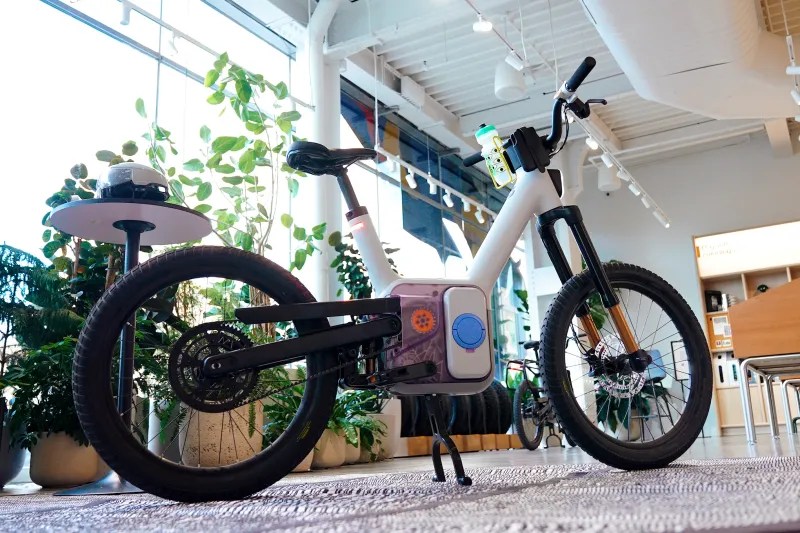
Also, a mobility startup that spun out of Rivian last year, has run into another speed bump. The company was already struggling to get its first e-bikes to customers due to supply chain headaches and the complexity of building a futuristic bike powered almost entirely by software. Now, there is a new wrinkle as Also identified ‘a few software-based issues, such as charging behavior,’ affecting some of the Launch Edition versions of its TM-B bikes.
As a result, it was pausing customer deliveries until it could resolve these issues. This development adds to the growing list of challenges faced by the company since its spin-off from Rivian, including supply chain disruptions and the complexity of integrating software into hardware.
Technical Analysis & Competitive Landscape
The technical challenges faced by Also highlight the complexities involved in integrating advanced software with physical products. The e-bike market is rapidly evolving, driven by consumer demand for sustainable and efficient urban mobility solutions. However, this rapid evolution comes with significant engineering hurdles.
Also’s e-bikes are designed to leverage cutting-edge technology, including AI-powered navigation systems and battery management algorithms. These features require robust software infrastructure capable of handling real-time data processing and ensuring seamless integration with hardware components like the bike’s motor and charging system.
The company’s reliance on software for critical functions such as charging behavior underscores the importance of reliable firmware updates and continuous testing in a highly competitive market. Delays in resolving these issues could have significant implications not only for Also but also for Rivian, which continues to support its spinoff through technology transfer and supply chain integration.
Key Performance Metrics & Specifications
- Compute & Throughput: The e-bikes rely on advanced microcontrollers and processors to manage power distribution and optimize performance. However, software bugs can lead to inefficiencies in compute resources and throughput, affecting overall user experience.
- Scalability & Deployment: The company’s ability to scale its production and address supply chain challenges is crucial for maintaining market competitiveness. Delays in resolving software issues could impact Also’s deployment timelines and scalability plans.
- Security & Maintenance: Ensuring the security of firmware updates and addressing potential vulnerabilities is essential, especially given the critical role that software plays in controlling key functions like charging behavior. Zero-trust architecture principles are necessary to protect against unauthorized access and ensure reliable maintenance practices.
Industry & Strategic Implications
The challenges faced by Also have broader implications for the e-bike market and the broader mobility industry. As companies like Also push the boundaries of what is possible with software-driven products, they must navigate complex supply chains and ensure that their technology can withstand real-world conditions.
For enterprise IT teams responsible for supporting these innovations, this case study highlights the importance of robust testing frameworks and continuous integration processes to minimize the risk of software bugs. The industry as a whole is likely to see increased emphasis on quality assurance and supply chain resilience in the coming years.
"The e-bike market is not just about hardware innovation but also about the seamless integration of advanced software."
Final Outlook
The future of mobility will continue to be shaped by companies like Also, which are pushing the boundaries of what is possible with software-driven products. However, as these technologies mature, so too must the supply chains and testing processes that support them.
For enterprise IT teams, this case study serves as a reminder of the importance of maintaining high standards in quality assurance and supply chain management. As Also works to resolve its current challenges, it will be crucial for the company to demonstrate its ability to deliver reliable products that meet consumer expectations.



