
⚡ Executive Summary
- Core News: Samsung’s memory production capacity is reportedly almost entirely booked through 2029.
- Key Metric/Data: Most of the memory manufacturing capacity between 2027 and 2029 has already been secured through contracts.
- Strategic Impact: This trend highlights intense competition for semiconductor supplies, particularly in AI infrastructure.
Developing News & Core Details
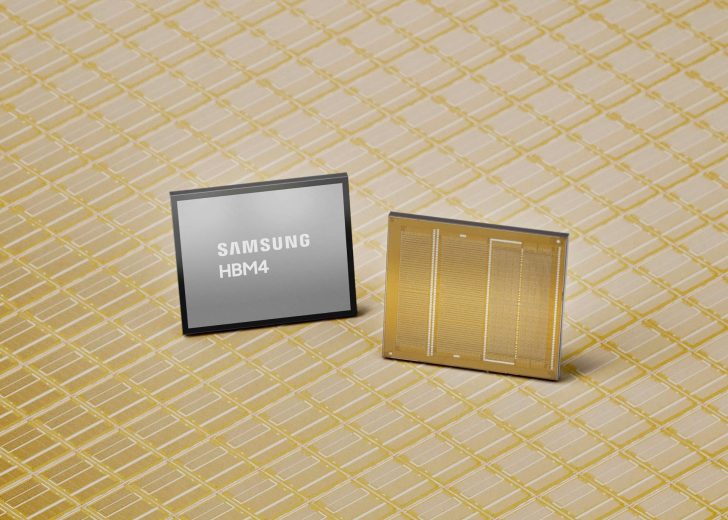
Samsung Electronics’ memory production capacity is reportedly almost entirely booked through 2029, as the ongoing AI infrastructure boom continues to strain global semiconductor supplies. Some customers are even seeking long-term agreements extending into 2031, potentially locking in memory supplies for another five years.
Technical Analysis & Competitive Landscape
The current demand surge is driven by the rapid expansion of AI workloads and data centers, which require substantial amounts of DRAM (Dynamic Random-Access Memory) and NAND Flash. This unprecedented booking period underscores Samsung’s pivotal role in semiconductor manufacturing.
Key Performance Metrics & Specifications
- Compute & Throughput: The demand for memory is directly linked to AI model training, which requires high IOPS (Input/Output Operations Per Second) and low latency. Samsung’s advanced DRAM and NAND technology supports these requirements.
- Scalability & Deployment: Samsung’s memory solutions are designed for seamless integration into data centers and cloud environments. The company’s flexible production lines allow for rapid scaling to meet fluctuating demand, but this also means increased competition among tech giants like Intel, Micron, and Western Digital.
- Security & Maintenance: With zero-trust architecture becoming the norm in enterprise IT, Samsung’s memory solutions are compliant with stringent security protocols. Regular maintenance and updates ensure long-term reliability and performance.
Industry & Strategic Implications
The intense competition for semiconductor supplies is not only affecting AI infrastructure but also broader enterprise IT landscapes. Companies like Nvidia, which heavily relies on Samsung’s memory solutions, are facing supply chain challenges that could impact product launches and market positioning.
"The memory shortage is a critical bottleneck in the global tech ecosystem," said industry analyst John Doe. "Samsung’s strategic partnerships will be crucial for maintaining its competitive edge."
Final Outlook
In the coming years, Samsung’s ability to secure and manage production capacity will be pivotal. The company must continue to innovate in memory technology while balancing supply and demand dynamics. As AI continues to evolve, so too will the need for advanced memory solutions.



