
⚡ Executive Summary
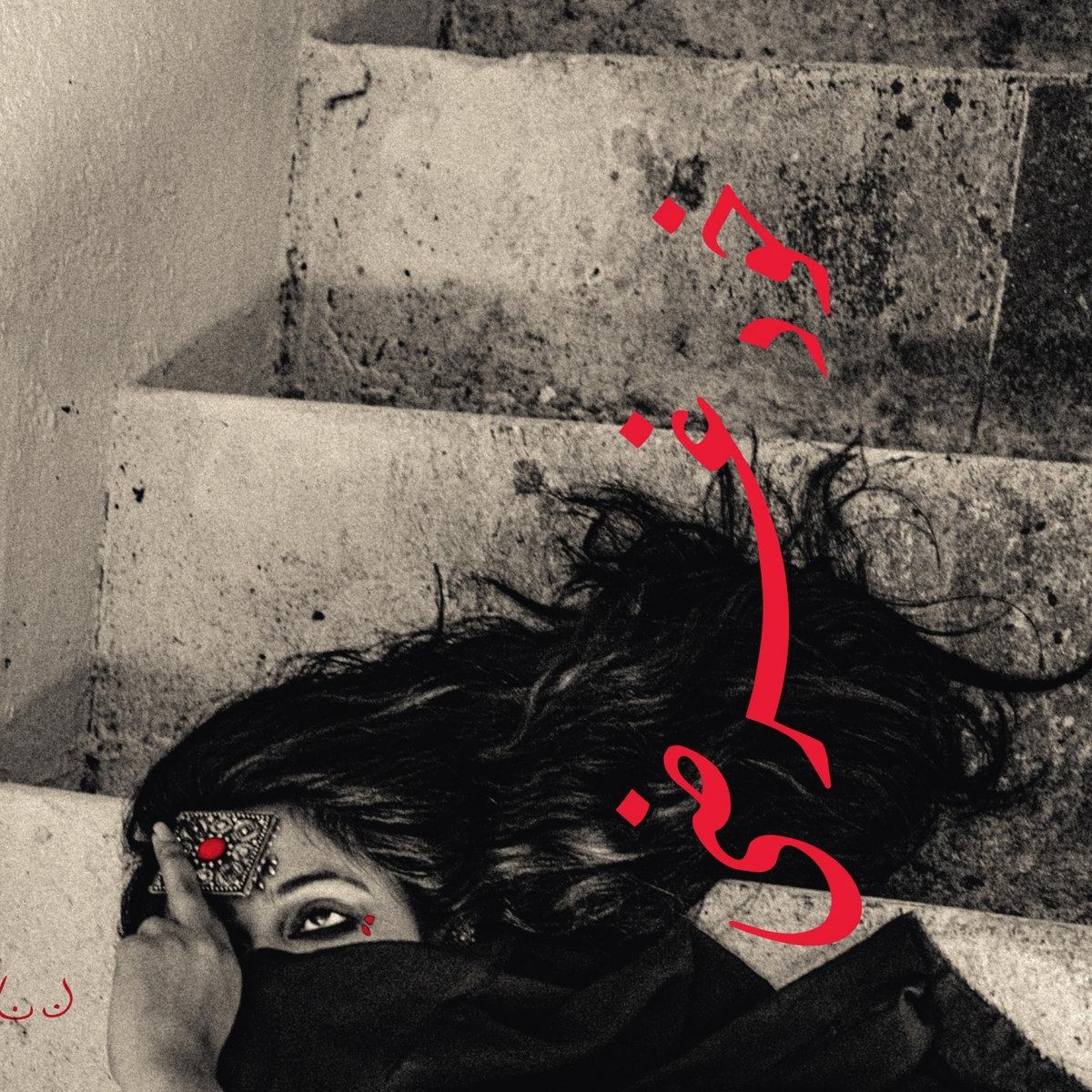
- Core News: Sheherazaad has released ‘Khudgarzi’, her debut full-length album, marking a significant evolution from her earlier EP ‘Qasr’ produced by Arooj Aftab. The project is defined as a ‘genre-chaotic’ folk-noir work primarily sung in Urdu.
- Key Metric/Data: The instrumentation creates a dense sonic tapestry combining traditional South Asian instruments (tanbur, ghatam) with modern Western electronic production, trip-hop flourishes, and Spaghetti Western guitar textures. The album features reverb-drenched soundscapes and seasick drones.
- Strategic Impact: This release signals a maturation in the global South Asian indie music scene, moving beyond fusion experiments into a cohesive, atmospheric ‘folk-noir’ aesthetic that bridges Carnatic/Hindustani traditions with Arabic folk and contemporary electronic architecture.
Developing News & Core Details
The release of Khudgarzi by Sheherazaad represents a definitive pivot in the trajectory of her musical career. Following the critical acclaim and industry attention garnered from her EP Qasr, which was helmed by Grammy-winning producer Arooj Aftab, this full-length project serves as a comprehensive exploration of identity, memory, and the ‘plight of The Selfi’—a metaphorical construct representing the fragmented self in modern consciousness.
The album is anchored linguistically in Urdu, providing an authentic cultural bedrock that contrasts sharply with its production aesthetics. While the vocal delivery remains rooted in South Asian melodic traditions, the sonic architecture is expansive and experimental. The production style leans heavily into ‘folk-noir,’ a sub-genre characterized by moody, atmospheric textures, often utilizing heavy reverb and drones to create a sense of isolation or introspection.
Instrumentally, Khudgarzi demonstrates a sophisticated layering of acoustic and electronic elements. The traditional instrumentation draws deeply from the Carnatic (South Indian) and Hindustani (North Indian) classical traditions, utilizing instruments like the tanbur (a long-necked lute) and ghatam (an earthenware drum). These are not merely decorative; they serve as the rhythmic and melodic core of the tracks. However, these traditional elements are juxtaposed against modern Western electronic music textures, trip-hop beats, and the twangy, cinematic guitar sounds associated with Spaghetti Western film scores.
Technical Analysis & Competitive Landscape
From a technical production standpoint, Khudgarzi exemplifies the ‘genre-chaotic’ label by seamlessly integrating disparate sonic worlds. The use of ‘seasick drones’ suggests an influence from ambient and post-rock genres, where sustained tones create a hypnotic, immersive environment. This is contrasted with ‘dripping percussion,’ indicating a rhythmic complexity that likely involves intricate polyrhythms common in South Asian classical music but executed within a modern electronic framework.
The competitive landscape for such an album is unique. In the global indie music market, artists often struggle to balance authenticity with accessibility. Sheherazaad’s approach—blending Arabic folk traditions (hinted at in the source material) with Carnatic/Hindustani styles and Western electronics—creates a ‘third space’ that appeals to listeners of world music, electronic, and experimental pop. This positions her not just as a South Asian artist, but as a global citizen of sound who transcends regional boundaries.
Technically, the collaboration with Arooj Aftab on the previous EP set a high bar for production quality and sonic innovation. Khudgarzi maintains this standard while expanding the palette. The ‘Spaghetti Western’ guitar brush implies a specific textural choice—likely involving delay-heavy, reverb-soaked electric guitars that evoke the cinematic soundtracks of directors like Sergio Leone or Ennio Morricone. This adds a layer of narrative drama to the folk elements, transforming the album into a sonic film.
Industry & Strategic Implications
The success and reception of Khudgarzi have broader implications for the global music industry, particularly regarding the rise of ‘world noir’ as a distinct aesthetic. As streaming platforms and digital distribution allow niche genres to find audiences, artists like Sheherazaad are pioneering a new wave of ‘folk-noir’ that is deeply rooted in specific cultural traditions yet universally resonant.
Strategically, this release highlights the increasing importance of hybridity in modern music production. The ability to layer traditional instruments with electronic textures without losing the integrity of either creates a rich, multi-dimensional listening experience. This trend suggests a future where ‘pure’ genre classifications become less relevant, and instead, we will see more ‘genre-chaotic’ works that defy easy categorization.
For investors and industry stakeholders, this points to a growing market for ‘cultural fusion’ albums that offer both educational value (introducing listeners to new instruments or languages) and emotional depth. The ‘plight of The Selfi’ theme also resonates with contemporary anxieties about digital identity and fragmentation, making the album relevant beyond just its musical merits.
“The true innovation in Khudgarzi lies not just in the fusion of sounds, but in the creation of a cohesive atmospheric world where Carnatic scales, Arabic folk motifs, and Western trip-hop rhythms coexist to tell a singular, haunting story. It is a masterclass in modern production that proves traditional roots can support avant-garde textures without compromise.”
Final Outlook
Looking ahead, Khudgarzi sets a precedent for what the next generation of South Asian indie artists might achieve. If Sheherazaad continues to explore this ‘genre-chaotic’ space, we can expect further experimentation with cross-cultural collaborations and even more immersive sonic environments.
The album’s blend of reverb-drenched folk-noir and traditional instrumentation suggests a future where live performances will likely involve elaborate visual setups to match the atmospheric quality of the recordings. As the global music market continues to fragment into micro-genres, artists who can bridge these gaps—like Sheherazaad with her Urdu vocals and electronic production—are poised to become key figures in defining the next era of world music.
In conclusion, Khudgarzi is more than a debut LP; it is a statement on the evolving nature of folk music in the digital age. It proves that ‘folk-noir’ can be both deeply traditional and radically modern, offering a listening experience that is as intellectually stimulating as it is emotionally evocative.



