
⚡ Executive Summary
- Core News: SpaceX claims to build 10 GW of compute by 2027.
- Key Metric/Data: Colossus is designed for rapid deployment and scalability.
- Strategic Impact: Challenges Google’s market dominance in cloud computing.
Developing News & Core Details
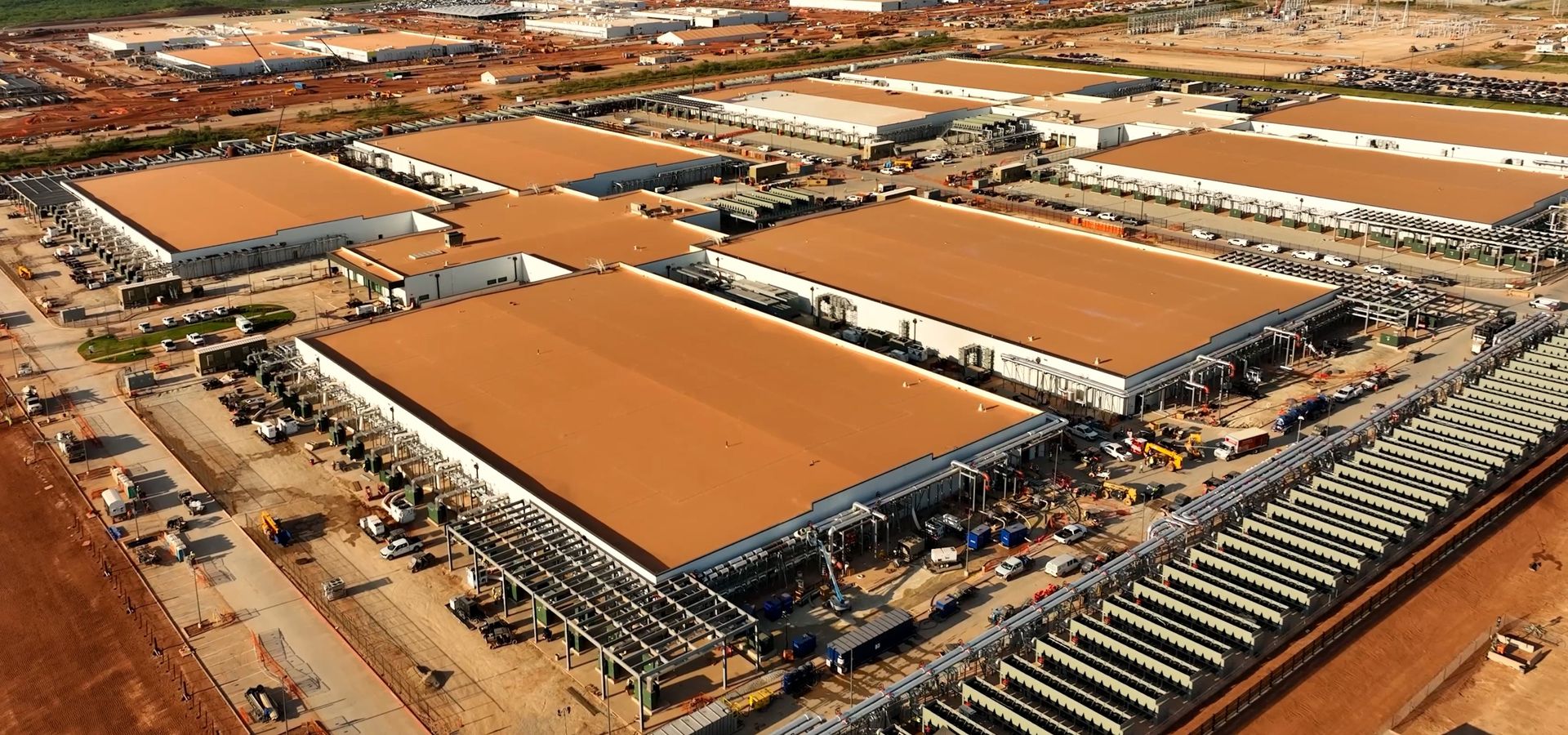
SpaceX, the aerospace manufacturer and space transport services company founded by Elon Musk, has announced its ambitious plan to build 10 gigawatts (GW) of compute capacity by 2027. This goal is encapsulated in a project codenamed ‘Colossus’. The claim is significant not just for SpaceX but also for the broader cloud computing industry.
SpaceX’s Colossus initiative aims to revolutionize data center infrastructure, leveraging its expertise in rocket and satellite technology to build massive compute farms. According to analysts, this plan could indeed be feasible given SpaceX’s track record of rapid development and deployment, particularly with projects like Starlink and Falcon Heavy rockets.
Technical Analysis & Competitive Landscape
The technical feasibility of Colossus lies in its ability to scale rapidly. SpaceX has demonstrated a knack for deploying large-scale infrastructure quickly. For instance, the Starlink satellite constellation was launched at an unprecedented pace, with thousands of satellites deployed over just a few years.
Colossus will likely follow a similar model: rapid deployment and continuous scaling. This approach contrasts sharply with traditional cloud providers like Google Cloud or Amazon Web Services (AWS), which have built their infrastructure incrementally over decades. SpaceX’s strategy emphasizes speed and flexibility, traits that could give it an edge in the competitive cloud market.
Key Performance Metrics & Specifications
- Compute & Throughput: Colossus is designed to handle massive compute loads efficiently. The project aims to provide a flexible and scalable infrastructure capable of supporting AI workloads, big data processing, and other high-demand applications.
- Scalability & Deployment: SpaceX’s approach allows for rapid scaling up or down based on demand. This flexibility is crucial in cloud computing, where resources need to be allocated dynamically to meet varying workloads.
- Security & Maintenance: Given the sensitive nature of compute infrastructure, security will be paramount. SpaceX must ensure that its systems are resilient against cyber threats and comply with relevant regulations.
Industry & Strategic Implications
The introduction of Colossus could have significant implications for the cloud computing industry. Google Cloud currently holds a substantial market share, but SpaceX’s entry into this space could disrupt the competitive landscape. The company’s ability to deploy infrastructure quickly and efficiently could attract new customers looking for innovative solutions.
For enterprise IT, the arrival of Colossus might mean more choices in cloud computing services. However, it also poses challenges, such as ensuring interoperability with existing systems and maintaining high standards of service quality.
"SpaceX’s Colossus initiative could redefine the cloud computing industry by introducing a new player capable of rapid scaling and innovation."
Final Outlook
In conclusion, SpaceX’s plan to build 10 GW of compute capacity by 2027 is not just a bold claim but a realistic goal given the company’s history of rapid deployment. The strategic implications are profound, with potential to challenge Google Cloud and other major players in the cloud computing market.



