
⚡ Executive Summary
- Core News: Sony’s Aibo was a robotic dog released in the late 1990s, embodying the company’s vision of integrating robots into everyday life.
- Key Metric/Data: Over its two generations, Aibo sold over one million units, indicating significant consumer interest.
- Strategic Impact: It set a precedent for future robotic pets and influenced the development of AI-driven companion robots.
Developing News & Core Details
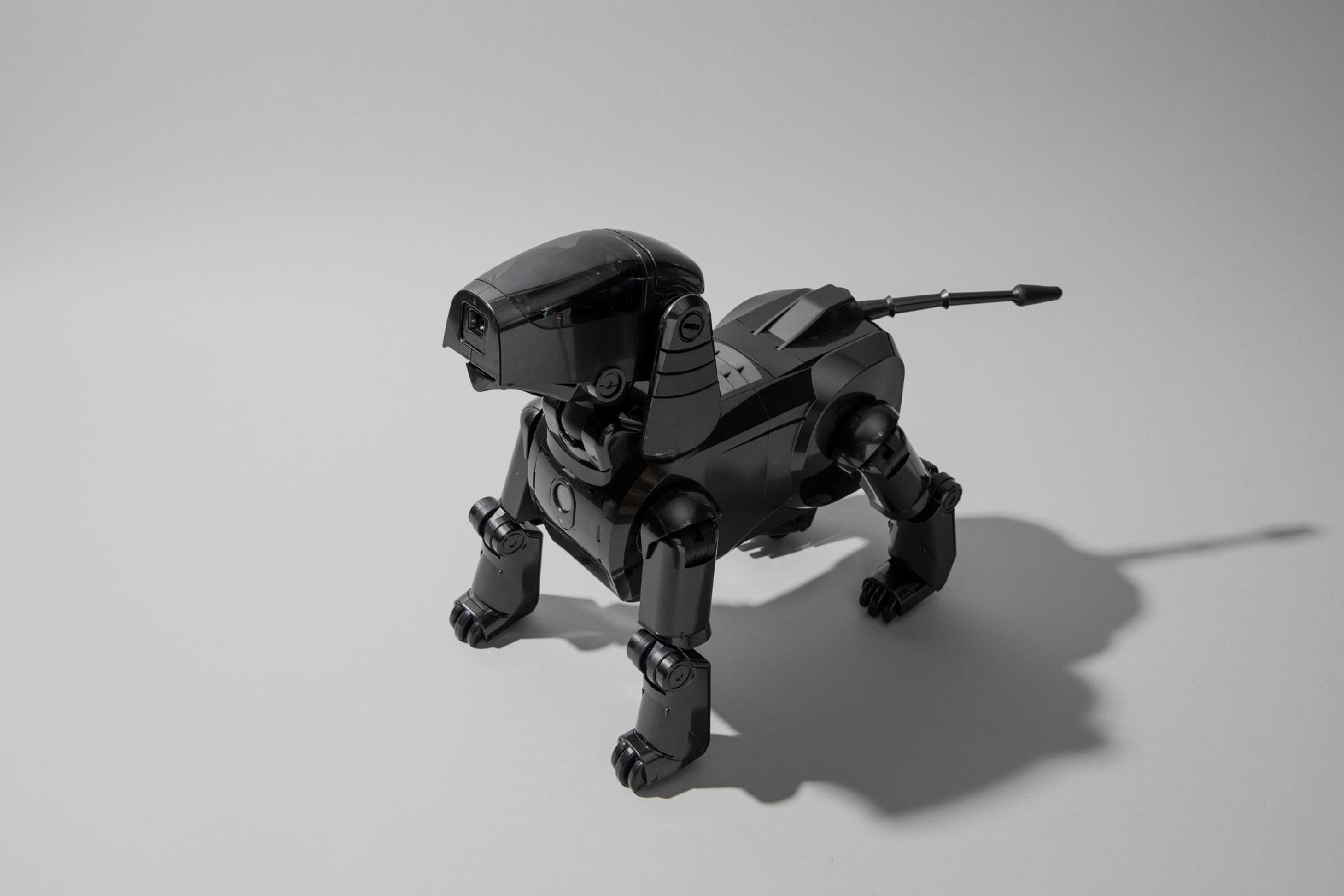
The Sony Aibo was introduced in 1999 as part of Sony’s ambitious plan to integrate robotics into everyday life. The first generation, Aibo ERS-7, featured a simple design with limited AI capabilities, primarily focusing on basic movements and interactions. By the second generation, Aibo ERS-20, the robot exhibited more advanced behavior, including the ability to recognize commands and respond with actions like wagging its tail or playing fetch.
Despite its innovative design, the Aibo faced several challenges that limited its commercial success. The high cost of production and maintenance, coupled with rapid advancements in technology, made it difficult for Sony to keep up with market expectations. By 2006, Sony decided to discontinue the product line.
Technical Analysis & Competitive Landscape
The Aibo’s architecture was a blend of hardware and software designed to create an interactive companion. It featured a microprocessor, sensors for detecting light, sound, and motion, and a camera for facial recognition. The robot’s AI capabilities were limited by the technology of its era but still managed to perform basic tasks like recognizing commands and responding with predefined actions.
Compared to contemporary robotic pets, Aibo was ahead of its time in terms of hardware integration. However, it lacked the advanced AI algorithms that are now standard in modern robots. The Aibo’s architecture was more akin to a sophisticated toy than an actual robot, which limited its appeal for serious robotics enthusiasts.
In the competitive landscape, Sony faced stiff competition from other companies like iRobot and Jibo, both of whom were also exploring the market for robotic pets and companions. However, Sony’s Aibo stood out due to its advanced hardware capabilities and its role in shaping consumer expectations for AI-driven companion robots.
Industry & Strategic Implications
The Aibo had a significant impact on the industry by setting a precedent for future robotic pets and influencing the development of AI-driven companion robots. Its failure, however, highlighted the challenges of integrating advanced technology into consumer products without compromising affordability or ease of use.
For enterprise IT and cloud infrastructure analysts, the Aibo serves as a case study in the importance of balancing innovation with market demand. The product’s success was limited by its high price point and lack of advanced AI capabilities, which were not yet feasible for mass-market products at that time.
Key Analytical Quote or Takeaway…
The Aibo represents a pivotal moment in the history of consumer robotics, where innovation often outpaces market readiness. Sony’s vision was ahead of its time, but it failed to bridge the gap between cutting-edge technology and practical consumer appeal.
Final Outlook
In the future, we can expect advancements in AI and hardware that will make robotic pets more affordable and capable. The Aibo’s legacy lies not just in its technical achievements but also in its role as a catalyst for further innovation in the field of consumer robotics.



