
⚡ Executive Summary
- Core News: The Tamagotchi, originally developed by Bandai in the late 1990s, marks its 30th anniversary this week. While the initial craze was short-lived, its technological and cultural footprint remains profound.
- Key Metric/Data: Millions of units were sold globally within months of launch; the device utilized a simple LCD screen with minimal processing power to simulate complex life cycles (hunger, hygiene, happiness).
- Strategic Impact: The Tamagotchi pioneered the concept of “persistent digital companionship,” shifting consumer expectations from passive toys to interactive, time-sensitive software experiences that foreshadowed mobile gaming and IoT pet monitoring.
Developing News & Core Details
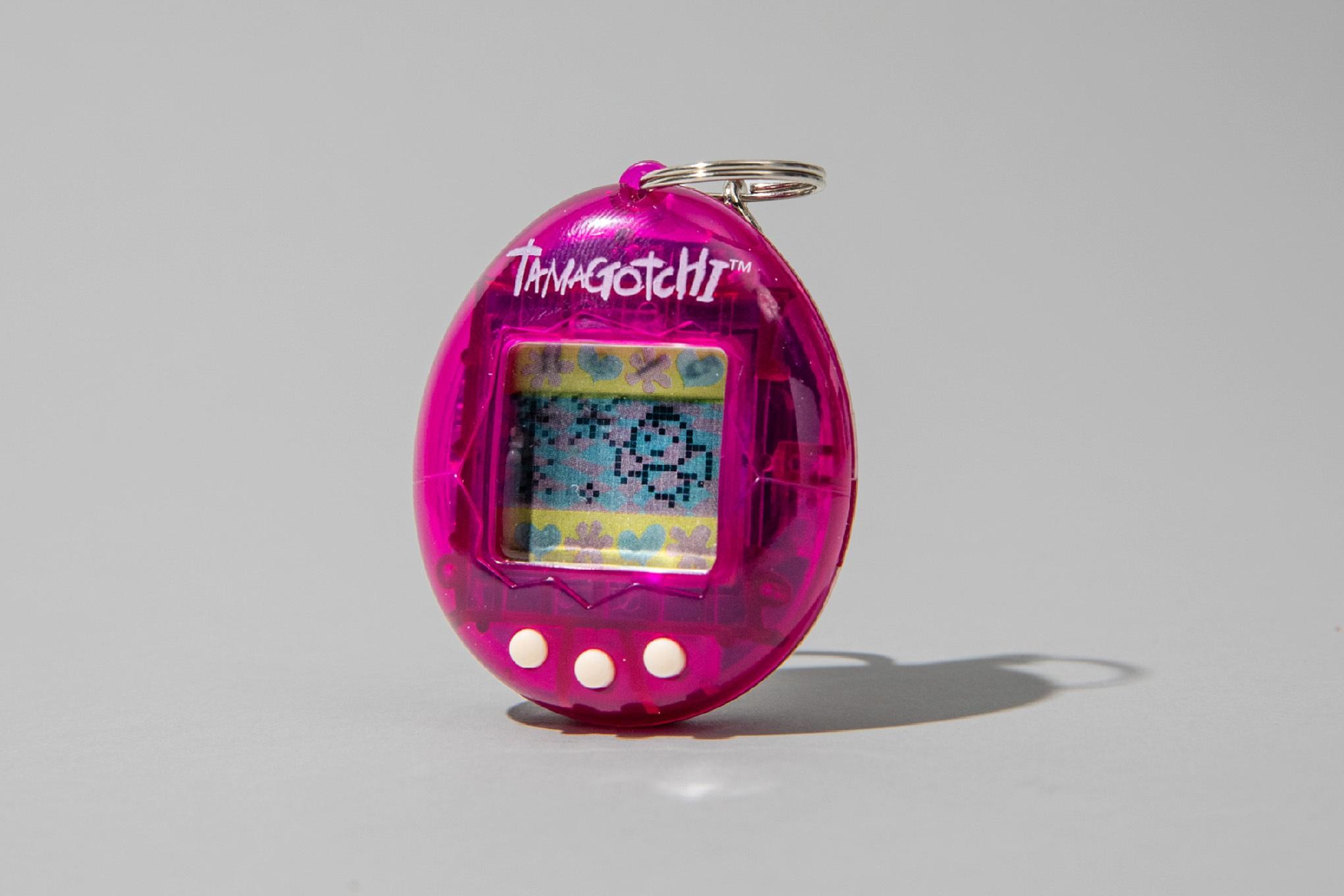
The Tamagotchi, a handheld electronic pet created by Bandai in 1996, emerged as an overnight sensation that defied the typical lifecycle of consumer electronics. Unlike traditional toys that offered static play patterns, the Tamagotchi introduced a dynamic, time-based simulation where the virtual creature required constant attention to survive. The device featured a monochrome LCD screen and a set of buttons for feeding, cleaning, and playing. If neglected, the pet would grow sick or die, introducing a layer of responsibility that resonated deeply with children in the late 1990s.
What made the Tamagotchi unique was its ability to create an emotional bond through simplicity. The creature’s needs—hunger, cleanliness, and happiness—were represented by basic icons, yet the simulation logic created a sense of urgency and care. This design philosophy shifted the toy industry from purely physical interaction to software-driven engagement, setting a precedent for future digital products.
Technical Analysis & Competitive Landscape
From a technical standpoint, the Tamagotchi was a marvel of minimalist engineering. It ran on a custom 8-bit processor with limited RAM and storage, yet it managed to simulate complex behaviors like growth, aging, and personality traits. The device used a real-time clock (RTC) to track time outside its battery life, ensuring that the pet’s needs persisted even when the device was off—a feature that created genuine anticipation among users.
Competitively, the Tamagotchi faced stiff competition from other digital pets like the Virtual Pet by Tiger Electronics and later the N64-based “Digimon” series. However, Bandai’s success lay in its mass-market distribution strategy and brand recognition. The Tamagotchi was not just a toy; it became a cultural phenomenon that transcended age groups, with adults also adopting digital pets as companions.
The device’s architecture influenced future hardware design, particularly in the realm of IoT (Internet of Things) pet monitoring. Modern smart collars and apps now track real-world pet health metrics, echoing the Tamagotchi’s original goal: to simulate care through data-driven feedback loops. The shift from purely software-based pets to hybrid physical-digital ecosystems marks a direct lineage from Bandai’s early experiments.
Industry & Strategic Implications
The Tamagotchi’s legacy extends far beyond its initial sales figures. It fundamentally altered how consumers interact with technology, introducing the concept of “digital responsibility” into everyday play. This shift paved the way for more sophisticated mobile games like Pokémon GO and Niantic’s augmented reality experiences, where physical movement and digital engagement are intertwined.
For enterprise IT and product development teams, the Tamagotchi serves as a case study in user retention through emotional design. By creating a sense of obligation and attachment, developers can increase daily active users (DAU) and session times without relying on aggressive monetization or complex mechanics. This principle is now central to subscription-based gaming models and freemium mobile apps.
Investors should also note the resurgence of retro-inspired tech products, with Bandai releasing modern iterations of the Tamagotchi that integrate Bluetooth connectivity and smartphone integration. These updates demonstrate how legacy IP can be revitalized through technological innovation, offering new revenue streams while honoring original design philosophies.
“The Tamagotchi proved that emotional engagement could drive hardware sales more effectively than raw processing power or graphical fidelity—a lesson still relevant in today’s mobile-first gaming market.”
Final Outlook
As we look toward the future, the Tamagotchi’s influence is evident in the rise of AI-driven digital companions. Modern virtual pets now leverage machine learning to adapt their behavior based on user interaction, creating even deeper emotional bonds. The next evolution may see these devices integrating with smart home ecosystems, allowing users to monitor and care for both physical and digital pets simultaneously.
For tech leaders and product managers, the Tamagotchi remains a benchmark for successful hardware-software integration. Its ability to create a lasting cultural impact despite its modest technical specs underscores the importance of user experience design in driving market success. As we move into an era of augmented reality and AI companionship, the lessons learned from the Tamagotchi will continue to shape how we interact with technology—and each other.



