
⚡ Executive Summary
- Core News: The Tamagotchi, originally developed by Bandai in the late 1990s, marks its 30th anniversary this week. While the initial craze was short-lived, its technological and cultural footprint remains profound.
- Key Metric/Data: Millions of units were sold globally within months of launch; the device utilized a simple LCD screen with minimal processing power to simulate complex life cycles (hunger, hygiene, happiness).
- Strategic Impact: The Tamagotchi pioneered the concept of “persistent” digital pets that required user interaction to survive, shifting consumer expectations from passive toys to active caregiving experiences.
Developing News & Core Details
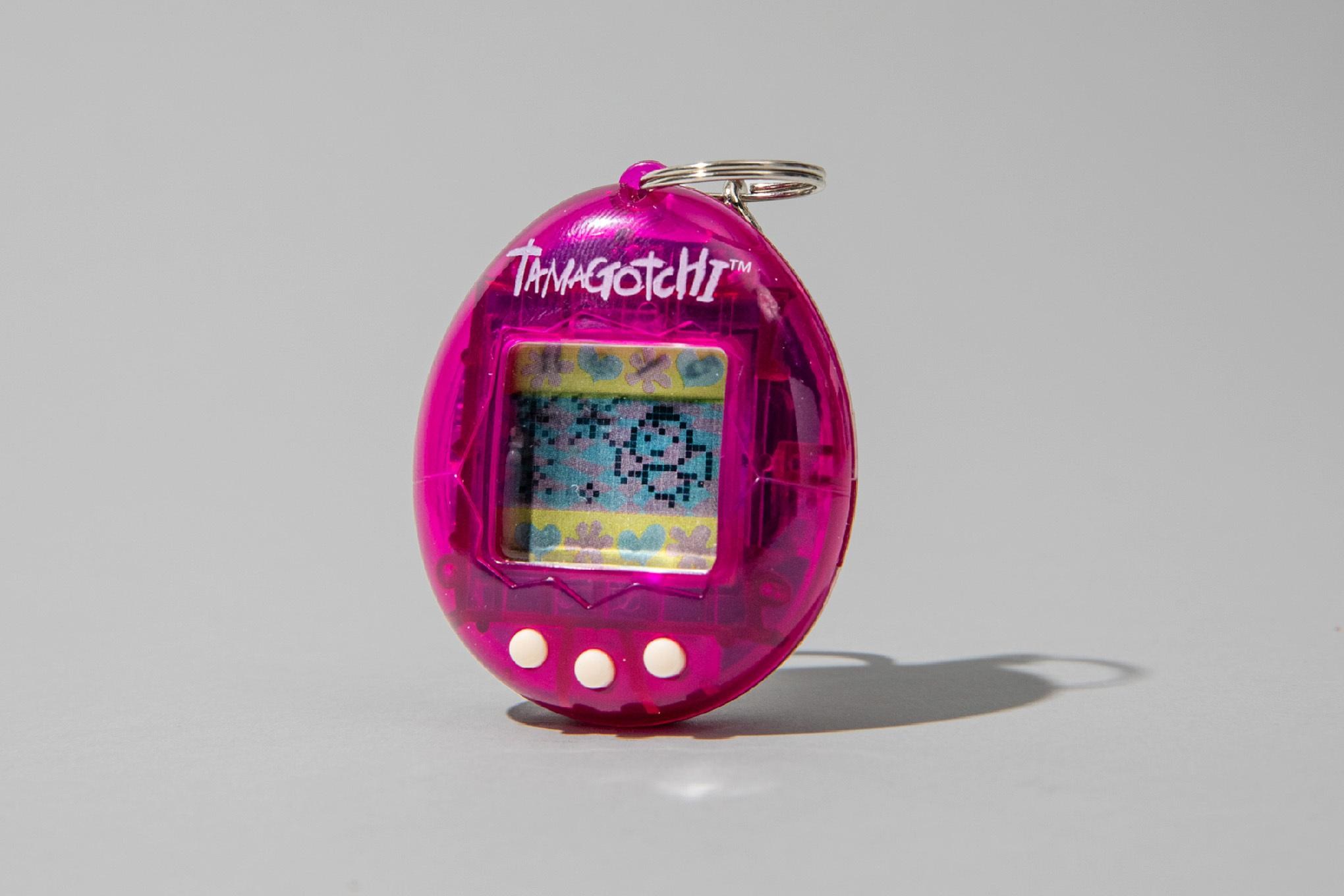
If you were a child in the late 1990s, there is a near-100 percent chance you either owned a Tamagotchi or knew someone who did. These tiny digital pets emerged from nowhere and became an overnight sensation, captivating millions of kids with their crying, hungry, and constantly dirty virtual creatures. The device, developed by Bandai in 1996, was designed to simulate the experience of raising a pet without the need for physical space or care. It featured a small LCD screen displaying a pixelated creature that required feeding, cleaning, and attention to survive.
The initial craze only lasted a few years, but the story behind the Tamagotchi is far more significant than just a fleeting trend. The device was part of Bandai’s broader strategy to innovate in the toy market by integrating microchip technology into traditional playthings. The Tamagotchi’s success was driven by its simplicity and accessibility; it required no complex setup, worked on standard batteries, and could be carried anywhere. This portability made it a perfect companion for children during school breaks or commutes.
As the device gained popularity, Bandai expanded its ecosystem with accessories like carrying cases, themed skins, and even a “Tamagotchi Connection” series that allowed users to transfer their pets between devices. The real craze peaked in 1997-1998, but the legacy of the Tamagotchi extended far beyond its initial release. It set the stage for future digital pet games like Nintendogs and Pokémon GO, proving that virtual companionship could be a compelling and enduring form of entertainment.
Technical Analysis & Competitive Landscape
The Tamagotchi’s technical architecture was deceptively simple yet highly effective. At its core, the device used a basic microcontroller to manage a small LCD screen and a few input buttons. The software running on the device simulated a life cycle with attributes like hunger, hygiene, happiness, and boredom. These attributes were updated in real-time based on user interactions, creating a sense of urgency and responsibility.
The competitive landscape at the time was dominated by traditional toys and early video games. Unlike console-based experiences that required dedicated hardware and complex controls, the Tamagotchi offered a portable, self-contained experience. Its success highlighted the potential for “always-on” digital experiences, even with limited processing power. The device’s ability to maintain state across sessions (e.g., remembering how long it had been since the last feeding) was a key innovation that set it apart from other toys of the era.
From an architectural perspective, the Tamagotchi’s design emphasized modularity and scalability. Bandai later released multiple iterations of the device, each with enhanced features like color screens, voice recognition, and even internet connectivity in later models. This evolution demonstrated how a simple concept could be iterated upon to meet changing consumer demands. The competitive implications were significant: other toy manufacturers began incorporating microchips into their products, leading to a wave of “smart toys” that blurred the line between physical and digital play.
The Tamagotchi also influenced the broader gaming industry by proving that casual, low-fidelity experiences could achieve massive commercial success. This insight paved the way for mobile gaming, where simple mechanics and addictive loops became standard features. The device’s ability to create emotional attachment through minimal interaction remains a key lesson for modern game designers.
Industry & Strategic Implications
The impact of the Tamagotchi extends beyond its immediate sales figures; it reshaped how companies approach product development and consumer engagement. For enterprise IT, the lessons learned from the Tamagotchi’s success are relevant in designing user-friendly interfaces that require minimal setup but offer deep engagement. The device demonstrated that complexity does not always equate to value; sometimes, simplicity is key to mass adoption.
For consumers, the Tamagotchi introduced the concept of digital companionship as a legitimate form of entertainment. It challenged traditional notions of play by requiring users to invest time and effort into maintaining their virtual pets. This shift in consumer behavior has influenced everything from mobile apps to social media platforms, where “pet-like” interactions (e.g., liking, feeding, or caring for digital avatars) are now commonplace.
For investors, the Tamagotchi’s success highlighted the potential of niche markets with high growth potential. Bandai’s ability to identify a gap in the market and execute a simple yet innovative solution serves as a blueprint for identifying emerging trends. The device also demonstrated the power of ecosystem building; by creating accessories and follow-up products, Bandai extended its revenue streams and deepened user engagement.
The broader implications of the Tamagotchi’s legacy are evident in today’s tech landscape. From smartwatches with fitness tracking to AI-driven chatbots, the core principle remains the same: create a persistent, interactive experience that keeps users engaged over time. The device’s 30th anniversary serves as a reminder of how far we’ve come and how much we still owe to its humble beginnings.
“The Tamagotchi proved that simplicity could be powerful; by focusing on core mechanics like hunger, hygiene, and happiness, it created an emotional bond with users that no other toy had achieved before.”
Final Outlook
As we look to the future, the lessons from the Tamagotchi’s 30-year journey remain highly relevant. The device’s success was not just a fluke; it was the result of careful design, strategic innovation, and an understanding of consumer psychology. For tech companies today, the key takeaway is to focus on creating persistent, interactive experiences that require minimal effort but offer deep engagement.
Looking ahead, we can expect to see more hybrid devices that blend physical and digital elements, much like the Tamagotchi did in its time. The rise of AI and IoT will likely accelerate this trend, enabling even more sophisticated forms of digital companionship. Whether it’s a smart pet toy or an AI-driven assistant, the core principle remains the same: create something that users care about enough to interact with daily.
The Tamagotchi’s legacy is not just in its sales figures but in its ability to change how we think about play and technology. It proved that even the simplest of devices could create profound emotional connections, setting a precedent for future innovations. As we celebrate its 30th anniversary, it’s clear that the Tamagotchi was more than just a toy; it was a catalyst for an entire generation of digital experiences.



