
⚡ Executive Summary
- Core News: Major TV manufacturers are collecting extensive data from users without explicit consent.
- Key Metric/Data: 17 detailed questions were posed to leading TV and streaming device companies regarding their surveillance practices.
- Strategic Impact: This raises significant privacy concerns, prompting a reevaluation of consumer trust in tech giants and smart home devices.
Developing News & Core Details
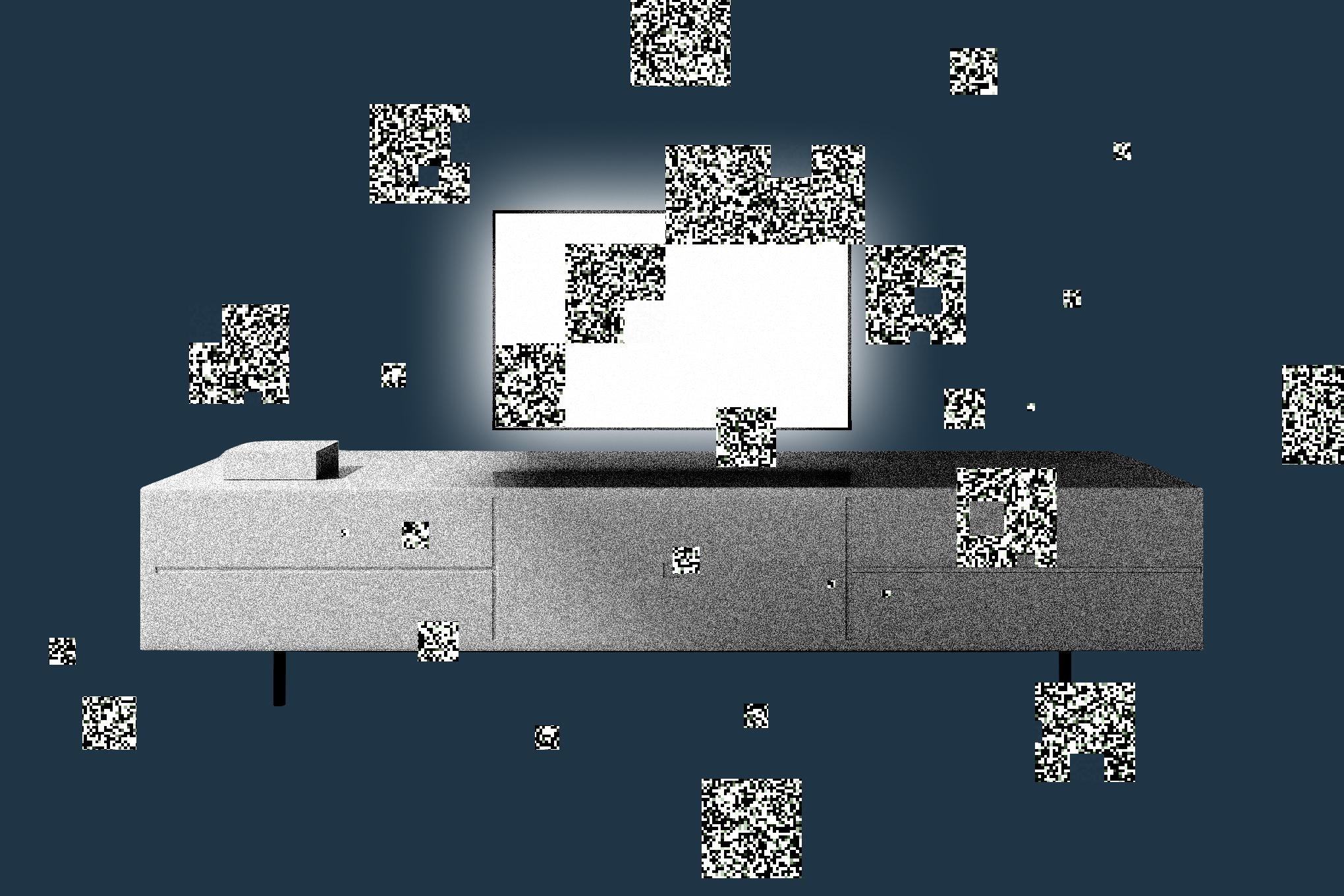
The recent exposé by The Verge has shed light on the extensive data collection practices employed by major TV manufacturers. This includes listening to user conversations, storing viewing habits, and even sharing this information with third parties. While some of this data is necessary for enhancing user experience, much of it could be considered invasive.
Companies like LG, Samsung, Sony, and others were asked 17 specific questions about their surveillance practices. The responses revealed a pattern of collecting vast amounts of personal data without clear justification or transparency. This has sparked widespread concern among consumers who are now questioning the extent to which they can trust these devices.
Technical Analysis & Competitive Landscape
The technical architecture behind smart TVs involves complex interactions between hardware, software, and cloud services. These systems often rely on advanced AI algorithms for voice recognition, content recommendation, and user interface optimization. However, the same technologies that enhance functionality can also be leveraged to monitor user behavior.
From a competitive standpoint, companies like LG and Samsung are vying for market dominance by offering increasingly sophisticated smart TV features. This includes not only entertainment but also health monitoring and home automation capabilities. The ability to collect and analyze vast amounts of data provides these manufacturers with valuable insights into consumer preferences and habits.
Key Performance Metrics & Specifications
- Data Collection: Smart TVs can gather detailed information about user interactions, including voice commands, viewing history, and even facial recognition data.
- Scalability & Deployment: These systems are designed to scale across various platforms, from standalone devices to integrated home ecosystems. However, this also increases the attack surface for potential security breaches.
- Security & Maintenance: The lack of clear privacy policies and user consent mechanisms raises significant security concerns. Companies must implement robust encryption and anonymization techniques to protect sensitive data.
Industry & Strategic Implications
The revelations about TV manufacturers’ surveillance practices have profound implications for the broader tech industry. Consumers are increasingly demanding greater transparency and control over their personal data. This shift in consumer behavior is likely to drive changes in product design and marketing strategies.
For enterprise IT professionals, this situation highlights the need for more stringent privacy policies and robust security measures. Companies must balance innovation with ethical considerations to maintain consumer trust.
"The tech industry’s focus on data collection has outpaced its commitment to user privacy."
Final Outlook
The future of smart TVs will likely see a greater emphasis on transparency and user control. Companies may need to adopt more stringent privacy policies and offer users the ability to opt-out of certain data collection practices.



