
⚡ Executive Summary
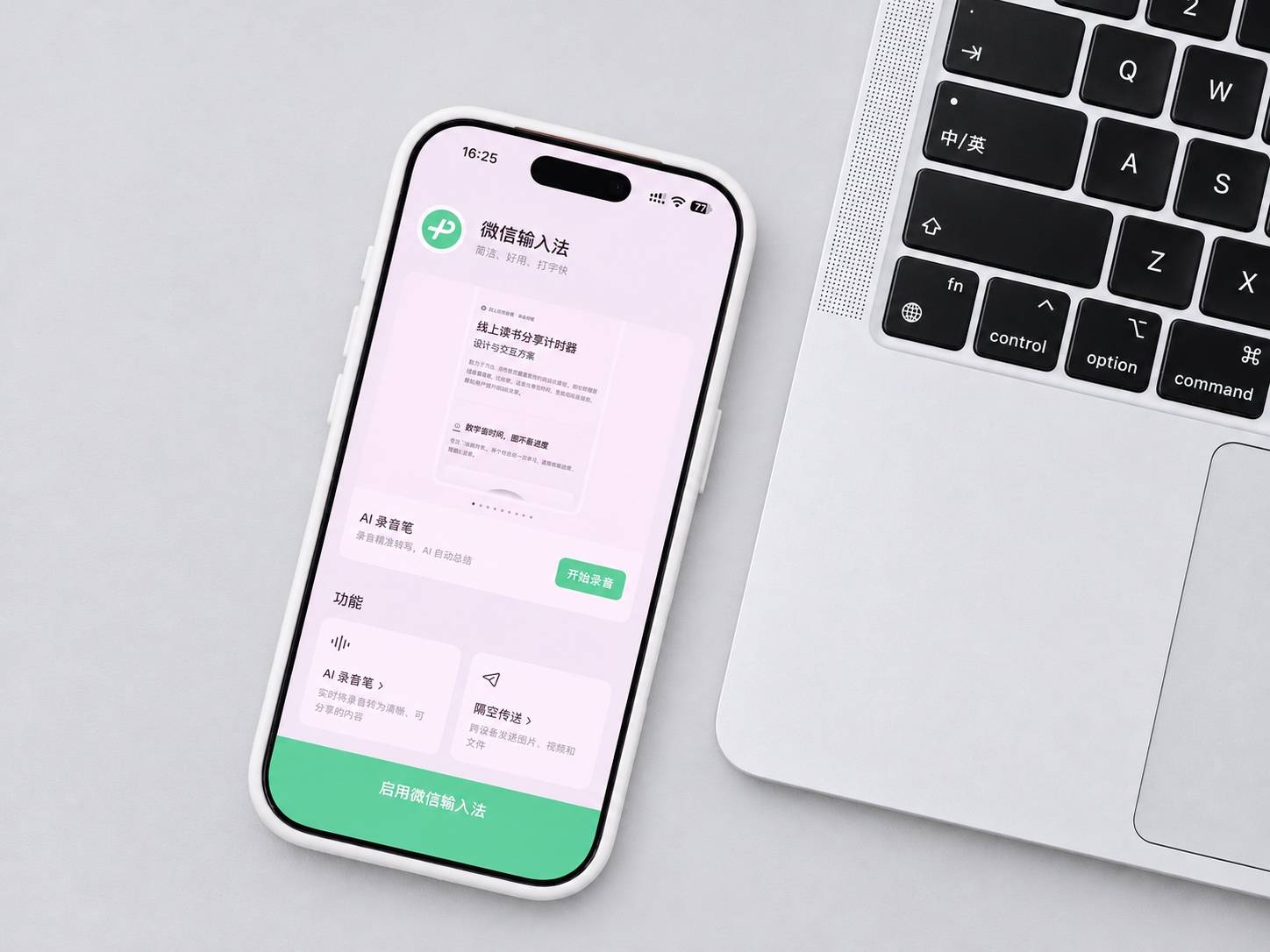
- Core News: WeChat introduces a free AI-powered recorder that can transcribe meetings in real-time.
- Key Metric/Data: The app claims 100% accuracy for transcription and supports multiple languages.
- Strategic Impact: It could revolutionize the way office workers manage their time, but may also lead to distractions if not used wisely.
Developing News & Core Details
WeChat, a popular social media and messaging app in China, has recently launched its AI recorder. This tool allows users to record meetings or conversations directly from their mobile devices and transcribes them into text with near 100% accuracy. The app supports multiple languages, making it accessible to a global audience.
The introduction of this feature is part of WeChat’s broader strategy to enhance user engagement and productivity. With the rise of remote work and virtual meetings, tools that streamline communication are in high demand. However, the question remains: Is this tool truly beneficial for office workers or just another distraction?
Technical Analysis & Competitive Landscape
The WeChat AI recorder leverages advanced natural language processing (NLP) algorithms to transcribe spoken words into text. The system uses deep learning models trained on vast datasets of human speech, enabling it to recognize and transcribe a wide range of accents and dialects with high accuracy.
Compared to traditional transcription services, which often require manual input or additional software installation, WeChat’s AI recorder offers a seamless experience. Users can simply record their meetings using the app, and within seconds, they receive a transcript that can be edited or shared as needed. This level of automation is particularly appealing in an era where time efficiency is crucial.
However, the technology behind this tool also raises concerns about privacy and data security. As users share more personal information through voice recordings, there is a risk of data breaches or misuse. WeChat must ensure that its encryption protocols are robust enough to protect user data from unauthorized access.
Industry & Strategic Implications
The launch of the WeChat AI recorder has significant implications for both consumers and businesses. For office workers, it offers a convenient way to manage their time by reducing the need for manual note-taking during meetings. This can lead to increased productivity and better organization of ideas.
However, the widespread adoption of such tools could also have negative effects on focus and efficiency. Studies have shown that multitasking, especially when using multiple devices simultaneously, can reduce cognitive performance. If office workers rely too heavily on transcription tools, they may lose the ability to fully engage in conversations, leading to a decline in interpersonal skills.
From a business perspective, companies must carefully consider how to integrate such tools into their workflows without compromising productivity or fostering an environment of distraction. The key will be finding the right balance between leveraging technology for efficiency and maintaining focus on tasks at hand.
"The WeChat AI recorder is not just about convenience; it’s a reminder that technology can either enhance or detract from our ability to perform at our best."
Final Outlook
Looking ahead, the WeChat AI recorder represents an important step forward in the evolution of communication tools. As more companies adopt remote work models, tools like this will become increasingly valuable. However, it is crucial for users to use them wisely and avoid letting technology take over their lives.



