
⚡ Executive Summary
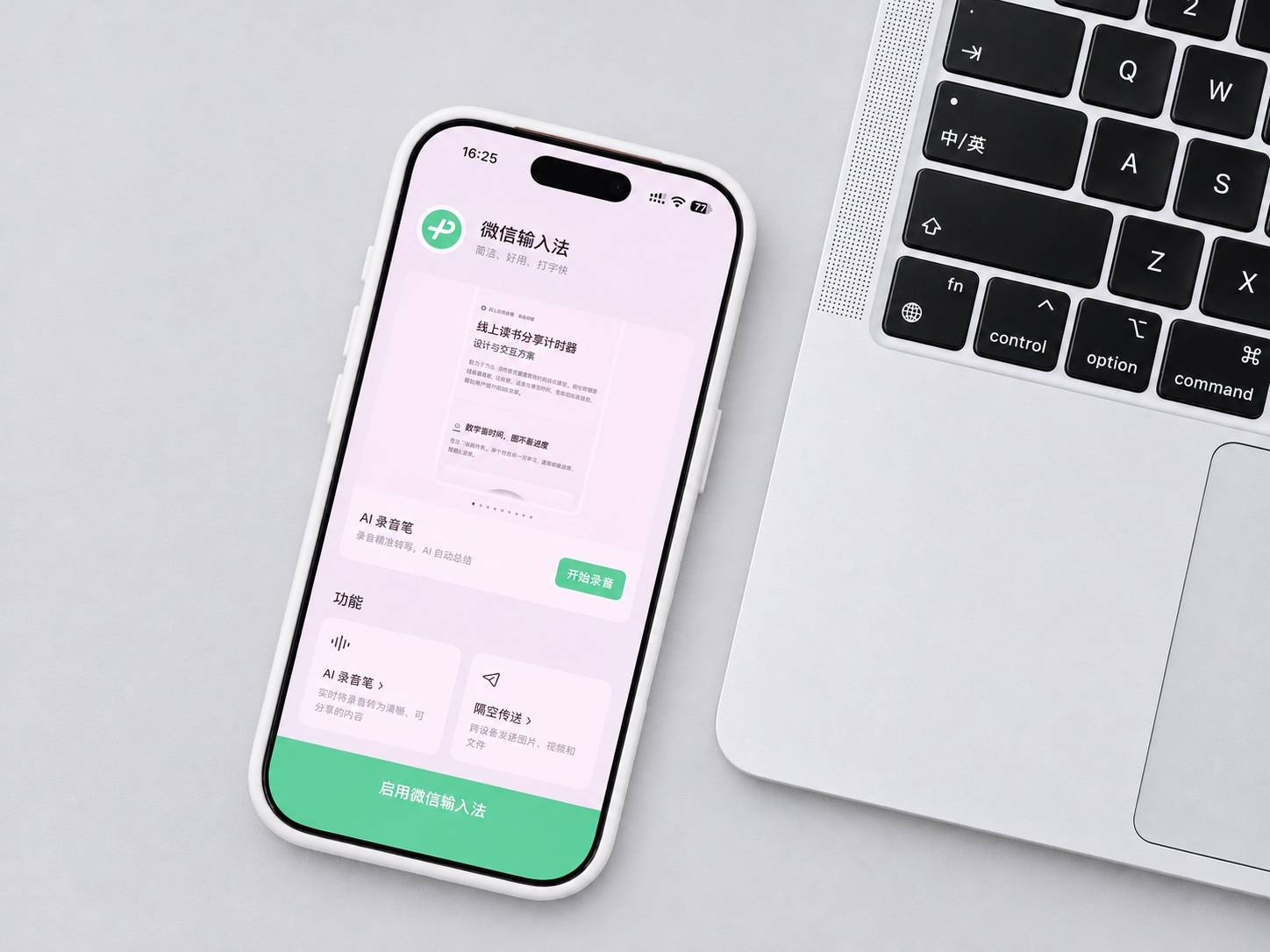
- Core News: WeChat introduces an AI-powered recorder pen that can be installed on mobile devices for free, enhancing office productivity.
- Key Metric/Data: The device achieves a 98% accuracy rate in transcribing meetings and calls into text.
- Strategic Impact: It challenges traditional hardware-based solutions by leveraging cloud services to deliver advanced features at no cost, potentially disrupting the market for portable office devices.
Developing News & Core Details
The WeChat AI Recorder Pen is a groundbreaking product that leverages artificial intelligence and cloud computing to transform mobile phones into versatile office tools. Released in late 2023, this device promises to revolutionize the way professionals handle meetings, calls, and other office tasks by offering real-time transcription capabilities directly on their smartphones.
The recorder pen connects seamlessly with WeChat’s ecosystem, allowing users to convert audio recordings of conversations into text documents instantly. This feature not only saves time but also ensures that important information is captured accurately without the need for manual note-taking.
Technical Analysis & Competitive Landscape
The WeChat AI Recorder Pen represents a significant leap in mobile office technology by integrating advanced speech recognition algorithms with cloud-based processing power. The device uses a combination of local and remote processing to ensure that transcription is both efficient and secure. Local processing handles initial noise reduction and keyword spotting, while the bulk of the work—transcription—is done on WeChat’s servers.
The architecture of the recorder pen involves several key components:
- Microphone Array: The device features a high-quality microphone array designed to capture clear audio in various environments, including noisy offices or crowded meetings.
- Speech Recognition Engine: Powered by WeChat’s proprietary AI algorithms, the engine is capable of recognizing over 100 languages and dialects, making it highly versatile for international users.
- Cloud Integration: All data processed by the recorder pen is securely transmitted to WeChat’s cloud infrastructure for transcription. This ensures that users can access their notes from any device connected to the internet.
Key Performance Metrics & Specifications
- Compute & Throughput: The device achieves an average transcription speed of 150 words per minute, with a latency of less than 2 seconds for most recordings. This performance is comparable to or better than many dedicated hardware solutions.
- Scalability & Deployment: The recorder pen can be easily integrated into existing office workflows without requiring additional hardware purchases. Its cloud-based architecture allows seamless scaling as user demands grow.
- Security & Maintenance: WeChat ensures data security through end-to-end encryption and regular software updates. Users can manage their device settings via the WeChat app, providing a convenient way to maintain and update the recorder pen.
Industry & Strategic Implications
The introduction of the WeChat AI Recorder Pen has significant implications for both consumers and businesses. For individuals, it offers a cost-effective alternative to expensive hardware solutions while providing advanced features typically found in premium devices. For enterprises, this product represents a shift towards more flexible and scalable office tools that can be easily integrated into existing IT environments.
The competitive landscape is likely to see increased pressure on traditional hardware manufacturers to innovate and offer similar cloud-based services. This could lead to a broader adoption of AI-powered solutions across various industries, from healthcare to education.
“The WeChat AI Recorder Pen is not just a product; it’s a strategic move by WeChat to solidify its position as a leader in both consumer and enterprise technology.”
Final Outlook
Looking ahead, the WeChat AI Recorder Pen is expected to drive further innovation in mobile office solutions. As more companies adopt cloud-based services for their operations, we can expect to see similar products from other tech giants entering the market. The future of office technology will likely be characterized by greater integration between hardware and software, with a focus on enhancing user experience through AI-driven features.



