
⚡ Executive Summary
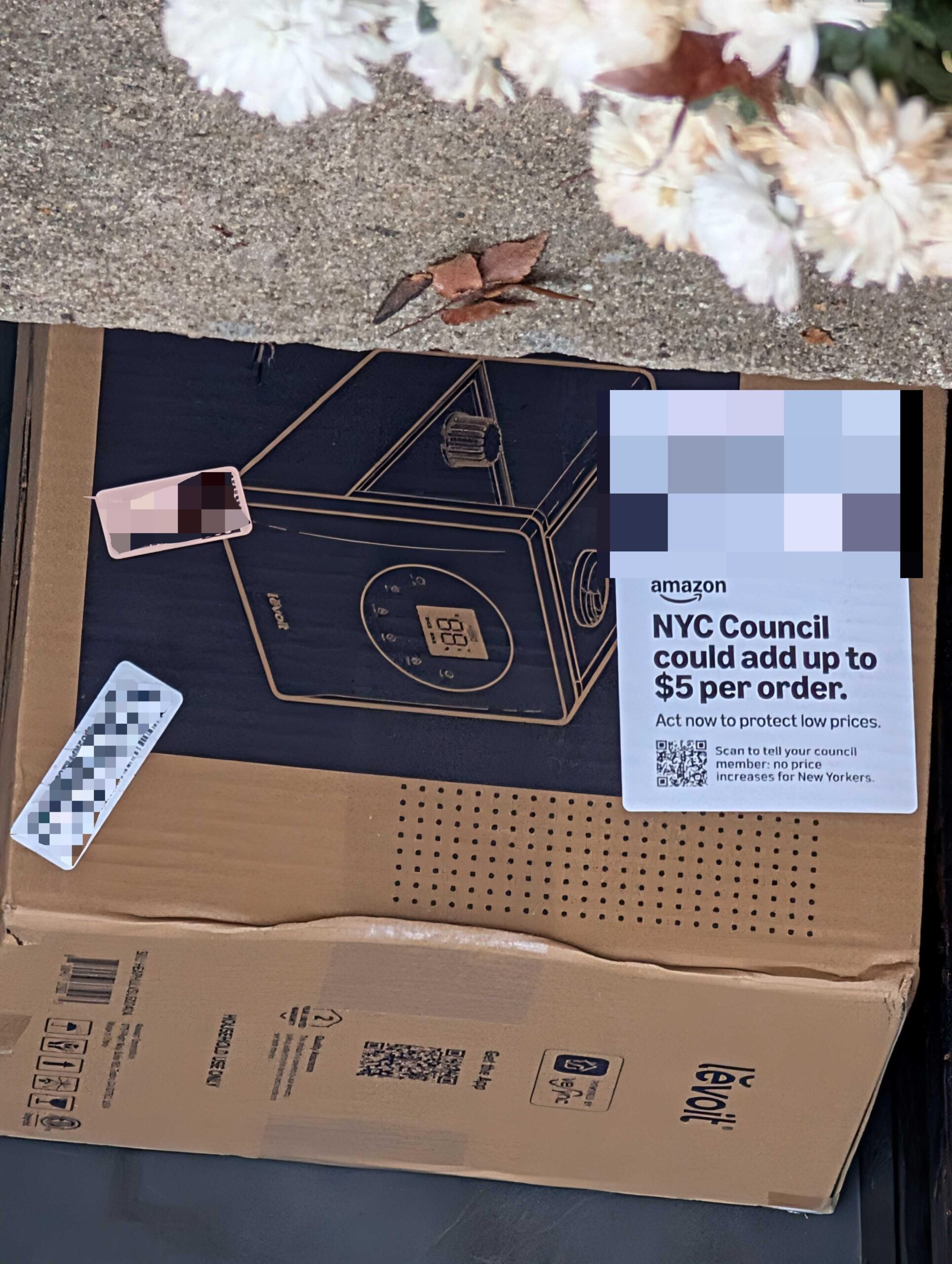
- Core News: Amazon is protesting the Delivery Protection Act by labeling shipments with potential cost increases.
- Key Metric/Data: Estimated $5 per order impact on Amazon’s delivery costs.
- Strategic Impact: This move signals a broader push to control its last-mile logistics and reduce reliance on third-party contractors.
Developing News & Core Details
Amazon, the global leader in e-commerce, has been at the forefront of reshaping the retail landscape. Its recent actions against the New York City Council’s Delivery Protection Act are part of a larger strategic shift towards tighter control over its last-mile delivery operations.
The Delivery Protection Act aims to regulate third-party logistics providers and ensure that they directly employ their workers, thereby enhancing labor rights and worker protection in the city. Amazon has responded by labeling shipments with notifications indicating potential cost increases due to these regulations. This move is a clear signal of its dissatisfaction with the current regulatory environment.
Amazon’s aggressive stance on delivery labels underscores its broader strategy against the New York City Council. By protesting such legislation, Amazon seeks to influence policy decisions and potentially reduce compliance costs in other cities where similar laws are being considered.
Technical Analysis & Competitive Landscape
The Delivery Protection Act represents a significant shift in how last-mile delivery is managed in urban areas. For Amazon, this change poses several technical challenges:
- Logistics Architecture: The act requires Amazon to integrate its delivery operations more closely with city regulations, which may necessitate changes to its existing logistics architecture.
- Workforce Management: By directly employing workers, Amazon must adapt its workforce management systems to handle a larger and potentially less flexible labor pool. This shift could impact operational efficiency and cost structures.
- Technology Integration: The integration of city regulations into Amazon’s operations may require the development or adaptation of new technologies for real-time compliance checks and data reporting.
The competitive landscape is also affected by this move. Other e-commerce giants like Walmart and Target, which have similar third-party delivery models, are likely to face similar pressures from local governments. This could lead to a race among tech-savvy retailers to innovate in logistics management and workforce integration.
Industry & Strategic Implications
The Delivery Protection Act has broader implications for the retail industry and consumer behavior:
- Cost of Ownership (TCO): Amazon’s estimated $5 per order impact highlights the potential increase in operational costs. This could lead to higher prices for consumers or reduced profit margins.
- Consumer Expectations: The labeling of shipments may influence consumer perceptions of delivery costs, potentially leading to increased scrutiny and expectations from customers.
- Enterprise IT & Cloud Infrastructure: For Amazon, this move could necessitate significant investments in cloud-based systems for real-time compliance checks and data management. This shift towards more integrated logistics solutions could set a new standard for enterprise IT infrastructure.
The strategic implications extend beyond Amazon’s immediate operations. Local governments are pushing for greater control over labor practices, which can influence broader policies on workforce rights and business regulations in urban areas.
“This move by Amazon signals a significant shift towards more integrated logistics solutions, impacting not only the company but also setting new standards for enterprise IT infrastructure.”
Final Outlook
The future of last-mile delivery is likely to see increased integration between technology and regulatory compliance. As cities like New York lead the way in labor rights legislation, other urban centers are likely to follow suit. This could lead to a new era of logistics management that prioritizes both efficiency and workforce protection.



