
⚡ Executive Summary
- Core News: UN diplomats failed to reach an agreement on rules for autonomous weapons, or ‘killer robots’, during recent meetings in Geneva.
- Key Metric/Data: The International Committee of the Red Cross called for legally binding rules within a year, but countries agreed only to start discussing options.
- Strategic Impact: This failure underscores the challenges in aligning diverse national interests and regulatory frameworks on emerging technologies.
Developing News & Core Details
The United Nations’ recent meetings in Geneva aimed to address the urgent need for rules governing autonomous weapons, or ‘killer robots’. These discussions were driven by the International Committee of the Red Cross (ICRC), which called for legally binding regulations within a year. The ICRC’s stance was echoed by the UN Secretary-General and Pope Francis, emphasizing the importance of addressing this issue.
Despite these calls, the negotiations proved largely fruitless. Countries agreed only to ‘start discussing options’, marking a significant setback in efforts to regulate autonomous weapons. This outcome reflects the complex geopolitical landscape and differing national priorities regarding AI and military technology.
Technical Analysis & Competitive Landscape
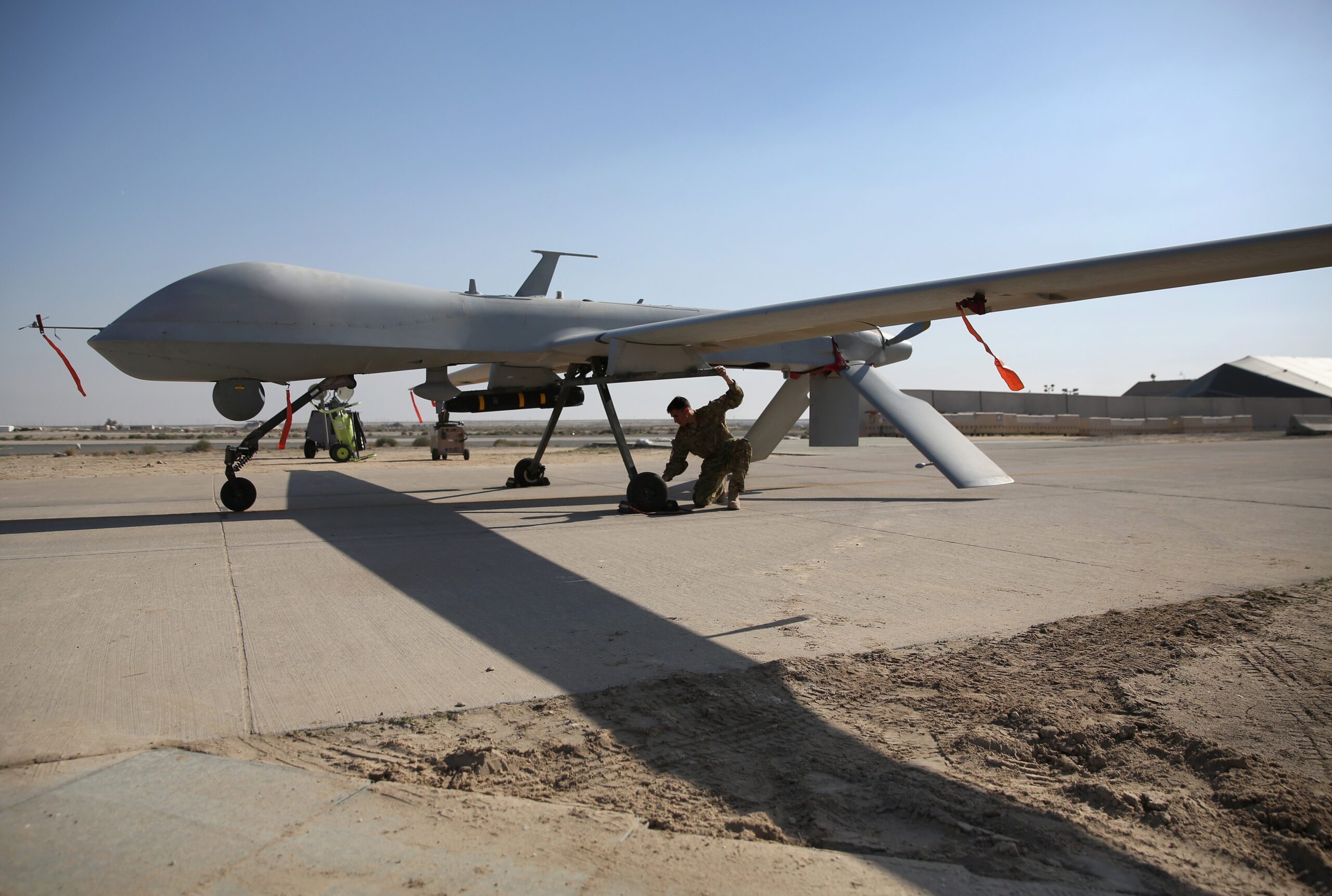
The development of autonomous weapons represents a critical juncture in the evolution of artificial intelligence, particularly in the realm of military applications. These systems are designed to operate without human intervention, making decisions based on predefined algorithms and data inputs. The technical challenge lies in ensuring these systems adhere to ethical guidelines and international law.
From an engineering perspective, the integration of AI into autonomous weapons involves complex software architecture, real-time decision-making capabilities, and robust cybersecurity measures. Ensuring that these systems can operate safely and ethically is paramount. However, the current lack of regulatory frameworks poses significant risks, including unintended escalation in conflicts.
The competitive landscape for autonomous weapon systems is dominated by tech giants like Google’s DeepMind, which has been involved in AI research relevant to military applications. Other companies, such as China’s DJI and Israel’s Elbit Systems, are also active players in the development of drones and other autonomous systems used in military contexts.
Industry & Strategic Implications
The failure to agree on rules for autonomous weapons has broader implications for global security. It highlights the challenges faced by international bodies in aligning diverse national interests and regulatory frameworks. The absence of clear guidelines could lead to a race among nations to develop and deploy these systems, potentially destabilizing regional balances.
For enterprises involved in AI development, this situation underscores the importance of ethical considerations and responsible innovation. Companies must navigate the fine line between advancing technology and ensuring it aligns with global standards for safety and security.
"The development of autonomous weapons represents a critical juncture in the evolution of artificial intelligence, particularly in the realm of military applications."
Final Outlook
The future trajectory of autonomous weapon systems will depend on international cooperation and the establishment of robust regulatory frameworks. Over the next 12-24 months, we can expect increased pressure for global consensus on this issue. The strategic implications extend beyond military applications to include broader ethical considerations in AI development.



